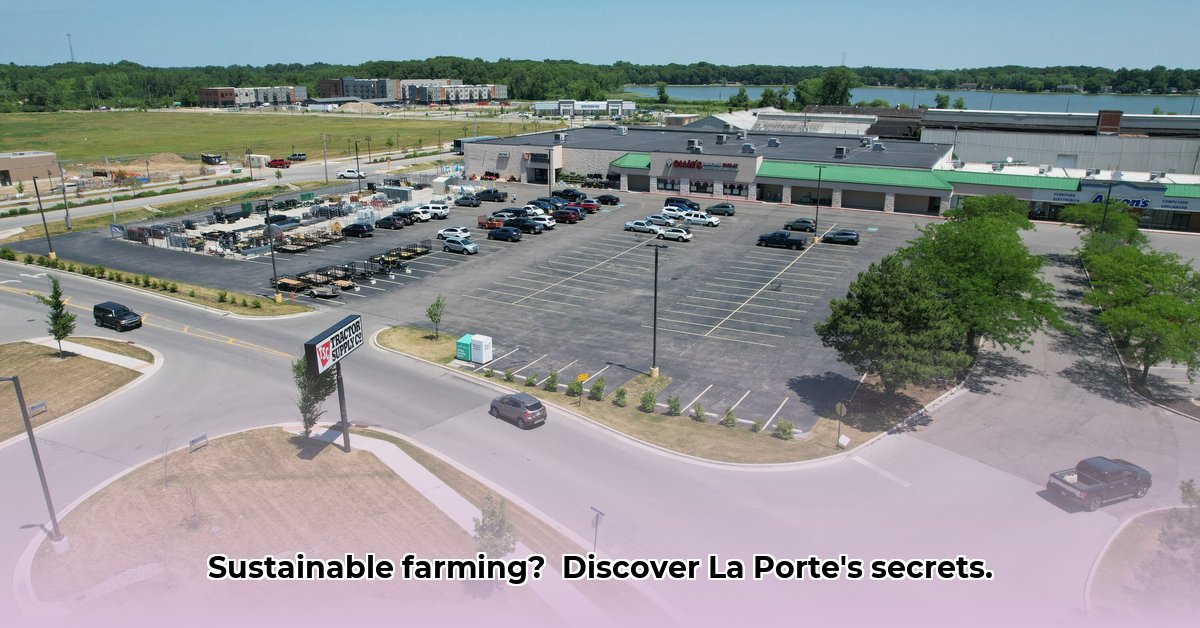
Assessing Tractor Supply's Role in La Porte's Sustainable Agriculture
La Porte, Indiana, boasts a thriving agricultural community. This article analyzes the potential contribution of the local Tractor Supply store to sustainable farming practices within the region. While the store's proximity suggests potential influence, a comprehensive assessment requires detailed data currently unavailable. For more information on Tractor Supply's sustainability initiatives, see this website. This analysis highlights the crucial information gaps and outlines the necessary steps for a robust evaluation.
Getting the Full Picture: Data Gaps and Research Needs
Currently, our understanding of La Porte Tractor Supply's role in promoting sustainable agriculture is hampered by a lack of specific data. We lack crucial sales figures detailing the proportion of environmentally friendly products sold compared to conventional options. How many organic seeds, water-saving irrigation systems, or eco-friendly fertilizers does the store stock and sell? This information is paramount in determining the store's contribution to sustainable farming practices. Furthermore, data on the store's own environmental impact (energy consumption, waste management) is also missing.
The Missing Pieces: Why Comprehensive Data is Crucial
Without quantifiable data, any assessment of Tractor Supply's impact remains speculative. For instance, while the store's location near numerous farms suggests potential engagement with sustainable farming initiatives, the actual extent of this engagement remains unknown. This lack of specific data prevents a conclusive analysis of its effectiveness in promoting sustainable practices within the La Porte farming community. To accurately assess the store's role, we need a clearer picture of its contributions.
Uncovering the Truth: Necessary Steps for a Comprehensive Analysis
To accurately assess La Porte Tractor Supply's contribution to sustainable agriculture, a multi-faceted research approach is necessary:
Comprehensive Inventory Analysis: A detailed inventory of sustainable products offered by the La Porte Tractor Supply store is needed. This should quantify the range and volume of eco-friendly items (organic seeds, bio-pesticides, water-efficient irrigation systems, etc.) relative to conventional products. This quantitative analysis is vital for understanding the store's commitment to environmentally friendly options.
Customer Purchase Data Analysis: Analyzing sales data to determine the volume of sustainable products purchased by local farmers would provide invaluable insights. This data, coupled with customer demographics, could reveal the adoption rate of sustainable practices by farmers in the La Porte area.
Farmer Surveys and Interviews: Directly engaging with La Porte farmers through surveys and in-depth interviews is crucial. These interactions can clarify farmers' purchasing behaviors, identify challenges impeding the adoption of sustainable practices (access, affordability, training), and uncover unmet needs.
Comparative Analysis: Benchmarking the La Porte Tractor Supply store against similar stores in other regions could offer valuable context. Comparing the inventory and sales data with stores in regions known for high sustainable farming adoption rates could highlight opportunities for improvement.
Life Cycle Assessment of Key Products: A life cycle assessment of key sustainable products (e.g., fertilizers, pesticides) offered by the store would provide a comprehensive understanding of their environmental impact, providing a crucial perspective for evaluating their true sustainability.
Stakeholder Collaboration: Open communication between Tractor Supply management, local farmers, and relevant government agencies can foster better understanding and facilitate the implementation of effective sustainable agriculture strategies. Collaborations can inform improvements in product offerings, educational initiatives, and incentive programs.
Building a Better Future: A Collaborative Approach to Sustainable Farming
The journey toward sustainable agriculture in La Porte requires a collaborative effort. The following table outlines potential short-term and long-term actions for key stakeholders:
| Stakeholder | Short-Term Actions (Next Year) | Long-Term Actions (3-5 Years) |
|---|---|---|
| Tractor Supply Co. | Conduct a comprehensive product inventory analysis; implement a system for tracking sustainable product sales. | Publish an annual sustainability report; set specific, measurable, achievable, relevant, and time-bound (SMART) goals for reducing environmental footprint; increase marketing of sustainable product lines. |
| Local Farmers | Participate in surveys assessing access to and utilization of sustainable products. | Actively participate in workshops and training sessions aimed at enhancing sustainable farming techniques. Advocate for policies supporting sustainable agriculture. |
| Local Government | Conduct research into the needs and challenges faced by local farmers. | Invest in infrastructure improvements and educational programs that promote sustainable farming practices; offer financial incentives for the adoption of sustainable methods. |
| Researchers | Conduct field research on the local adoption rates of sustainable farming practices. | Conduct longitudinal studies to monitor the long-term impact of sustainable practices on farm profitability and environmental outcomes. |
Conclusion: The Path Forward
A thorough understanding of La Porte Tractor Supply's contribution to sustainable agriculture in the region requires comprehensive data collection and rigorous analysis. By addressing the identified information gaps and fostering collaboration among stakeholders, a clearer picture will emerge, paving the way toward improved strategies for promoting environmentally friendly farming practices in La Porte and beyond. The potential for positive change is significant; the data will help quantify it.